Apr 17, 2026ByAri, Lionz Roofing
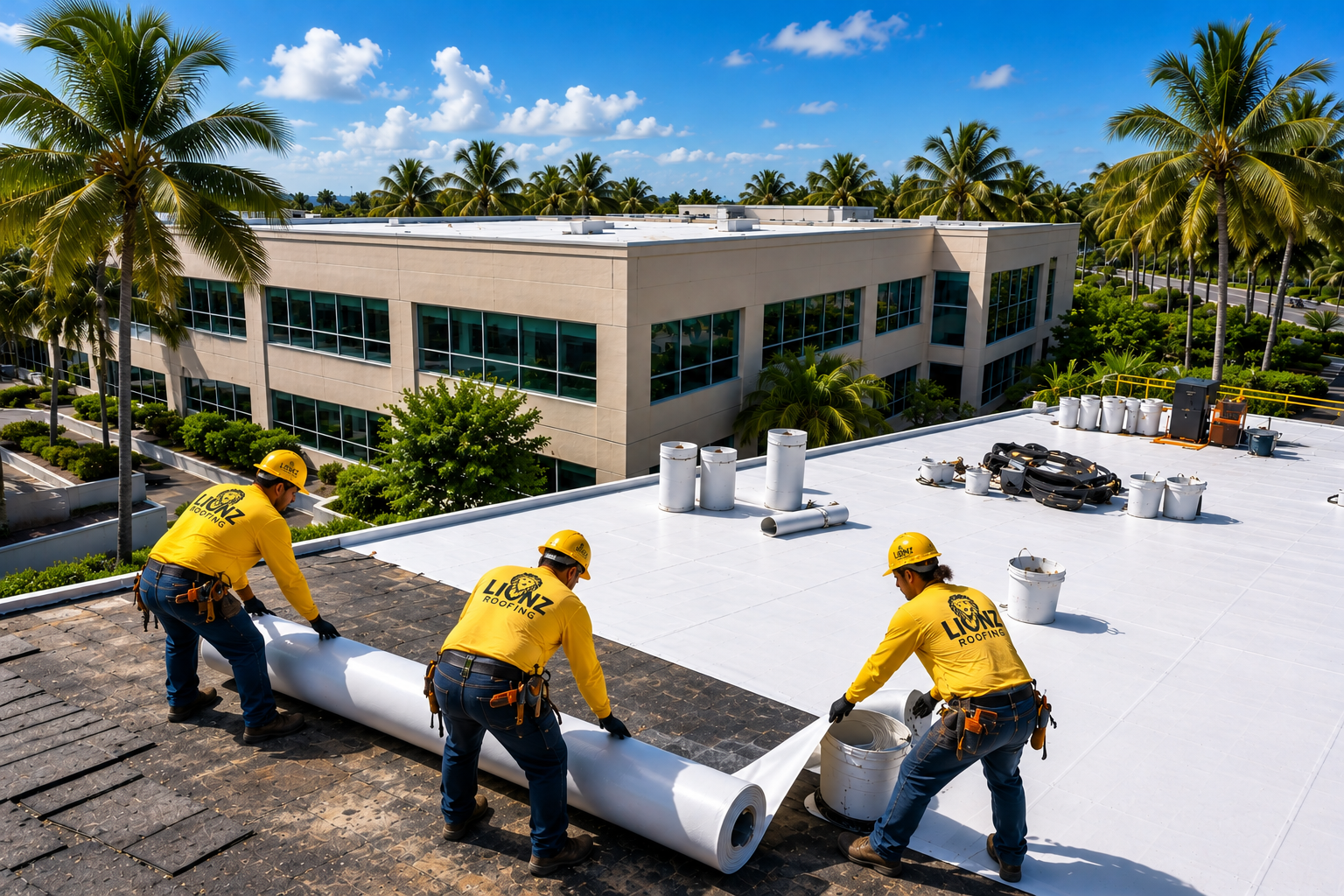
Torch-down roofing is a waterproof roofing system that uses a heat torch to bond modified bitumen membranes to a roof surface. It is commonly installed on flat or low-slope roofs and works best over compatible substrates like concrete, insulation boards, and certain roofing base sheets. In South Florida, torch-down systems are widely used for commercial buildings, flat residential roofs, and roof additions because of their strong waterproofing performance.
What Is Torch-Down Roofing?
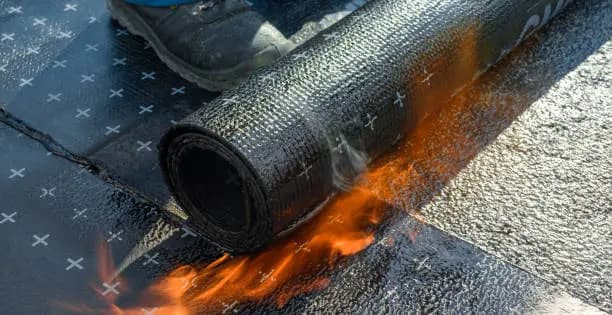
Torch-down roofing is a modified bitumen roofing system applied by heating the underside of the membrane with a roofing torch. As the material melts, it bonds tightly to the roof surface, creating a seamless waterproof barrier.
This system is commonly used on:
- Flat roofs
- Low-slope roofs
- Commercial buildings
- Residential flat roof sections
- Garage roofs
- Roof decks
Because South Florida experiences heavy rain, humidity, and hurricane conditions, torch-down roofing is popular due to its durability and water resistance.
How Torch-Down Roofing Works
The installation process typically includes several layers that work together to protect the roof.
1. Roof Surface Preparation
The existing roof surface must be cleaned, dried, and prepared before installation. Contractors may remove old roofing material or install a base sheet depending on the structure.
2. Base Layer Installation
A base sheet is installed to create a stable foundation for the modified bitumen membrane.
3. Torch Application
Roofing professionals use a propane torch to heat the underside of the membrane.
As the material heats up:
- The bitumen melts
- The membrane adheres to the roof surface
- Seams are sealed tightly
This creates a continuous waterproof layer.
4. Cap Sheet Installation
The final layer is the cap sheet, which provides additional protection against:
- UV exposure
- Rainwater
- Foot traffic
- Weather damage
Many cap sheets include granules for added durability and heat resistance.
How Torch-Down Roofing Works with Different Roof Materials
Torch-down systems do not attach directly to every type of roofing material. Instead, they work best when installed over compatible substrates.
Concrete Roof Decks
Concrete is one of the best surfaces for torch-down roofing.
Benefits include:
- Strong adhesion
- High durability
- Excellent waterproofing performance
Many commercial buildings and South Florida condos use torch-down over concrete decks.
Wood Roof Decks (Plywood)
Torch-down can also be installed over plywood decking, which is common in residential homes.
However, installers typically add:
- A base sheet
- Fire-resistant underlayment
- Proper insulation layers
This ensures safe installation and strong bonding.
Insulation Boards
In commercial roofing systems, torch-down membranes are often installed over insulation boards such as:
- Polyiso insulation
- Perlite boards
- Cover boards
These layers improve:
- Energy efficiency
- Roof stability
- Waterproofing performance
Metal Roof Decks
Metal decks are commonly used in commercial construction.
In these cases, roofing contractors install:
- Insulation board
- Cover board
- Torch-down membrane
This multi-layer system ensures the torch-down material bonds properly and remains durable.
Can Torch-Down Be Installed Over Existing Roofs?
In some cases, torch-down systems can be installed over existing roofing materials, but it depends on several factors.
Professional roofers must inspect:
- Roof condition
- Structural integrity
- Moisture damage
- Local Florida building codes
Sometimes a tear-off is required to ensure proper installation.
Why Torch-Down Roofing Is Popular in South Florida
Homes and buildings in Miami, Fort Lauderdale, and Broward County benefit from torch-down roofing for several reasons.
Excellent Waterproofing
The heat-bonded membrane creates a strong seal that prevents water penetration.
Durable Against Heavy Rain
South Florida's wet season brings intense storms, and torch-down systems are designed to handle frequent rain.
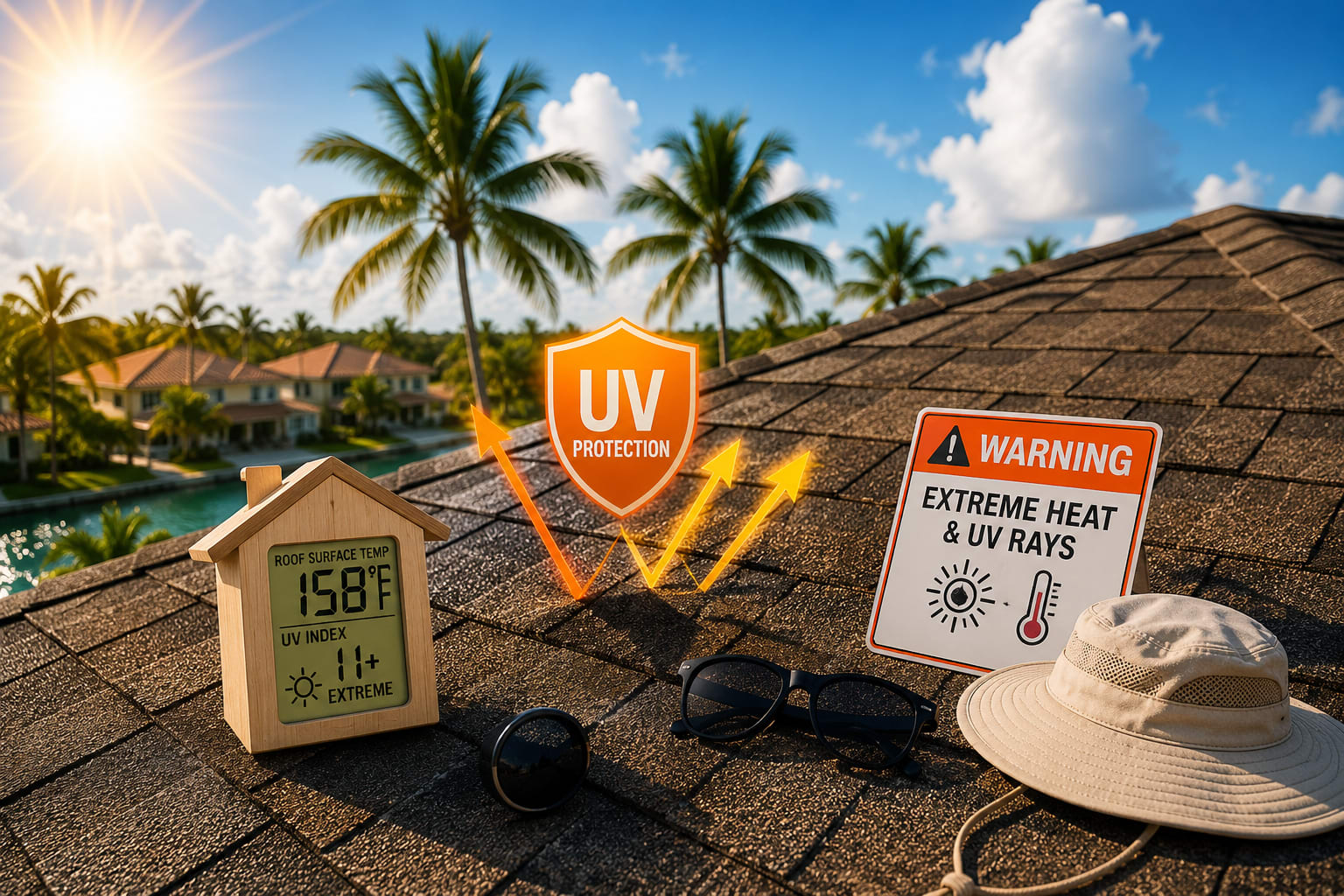
UV Protection
Granulated cap sheets help reflect sunlight and protect against heat damage.
Long Lifespan
A professionally installed torch-down roof can last 15–25 years with proper maintenance.
Signs Your Torch-Down Roof Needs Attention
Homeowners should watch for warning signs such as:
- Cracked or blistering membrane
- Water ponding on flat roofs
- Loose seams
- Roof leaks inside the home
- Granule loss on cap sheets
If you notice any of these issues, a professional inspection is recommended.
Professional Torch-Down Roofing in South Florida
Installing torch-down roofing requires experience, specialized equipment, and strict safety procedures. Improper installation can lead to leaks, fire hazards, or premature roof failure.
That's why homeowners should always work with licensed and insured roofing professionals.
At Lionz Roofing, we provide expert torch-down roofing services throughout South Florida.
- ✔ Torch-down roof installation
- ✔ Flat roof replacements
- ✔ Commercial roofing systems
- ✔ Roof inspections and repairs
- ✔ Waterproof roofing solutions
We proudly serve homeowners and businesses in Miami, Fort Lauderdale, Lauderhill, Hollywood, Pembroke Pines, and across Broward County.
Protect Your Flat Roof with Lionz Roofing
If your property has a flat or low-slope roof, torch-down roofing may be the ideal solution for long-term protection.
📞 Contact Lionz Roofing today to schedule a FREE roof inspection and learn more about the best roofing system for your property.